What Is The Best Way To Train My Dog To Come When Called?
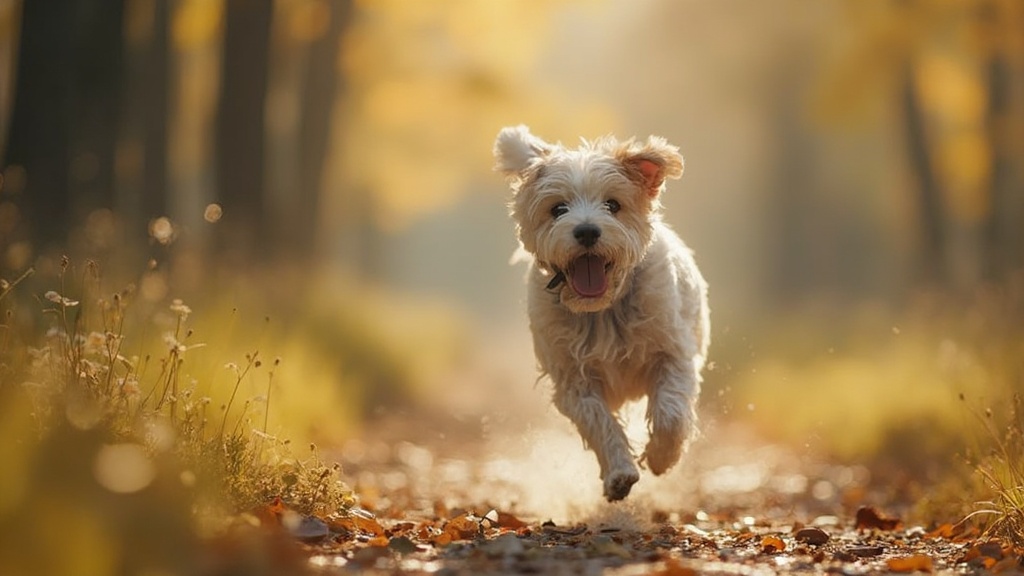
Training your dog to come when called is not just a command; it’s a vital component of their everyday life. It’s about building trust, ensuring safety, and enhancing your mutual understanding. Whether you’re enjoying a day out at the park or simply relaxing in the backyard, having a dog that responds promptly to recall commands ensures their safety and fosters a deeper bond between pet and owner. There are numerous techniques available, yet consistency and positive reinforcement lie at the heart of successful training. This comprehensive guide will explore a variety of strategies designed to train your dog effectively and reliably.
1. Start Indoors
Training your dog in an environment free from distractions is crucial in establishing initial success. Starting indoors allows you to create a controlled environment where your dog can focus solely on learning the call cue. Whether it’s in a quiet living room, a hallway, or any space that limits distractions, this setup is perfect for imparting the fundamentals of recall commands. The steps you take indoors will set the groundwork for all future training endeavors.
Indoor Training Steps:
- Gather Treats & Rewards: Choose treats that are small yet enticing to your dog. These will serve as positive reinforcement for following the command.
- Short Distances First: Start by positioning yourself a short distance from your dog. Call their name followed by a cue, such as “come.” When they approach, reward them immediately with a treat.
- Increase Distance Gradually: As your dog starts understanding and responding to the command, slowly increase the distance between you and them, maintaining consistency in rewarding successful responses.
Effectiveness of Indoor Training:
Indoor training helps your dog grasp the concept of the recall command without the distraction of external stimuli. It reinforces the desired behavior in a controlled environment, and as your dog improves, this newly gained confidence translates into enhanced behavior in more stimulating surroundings.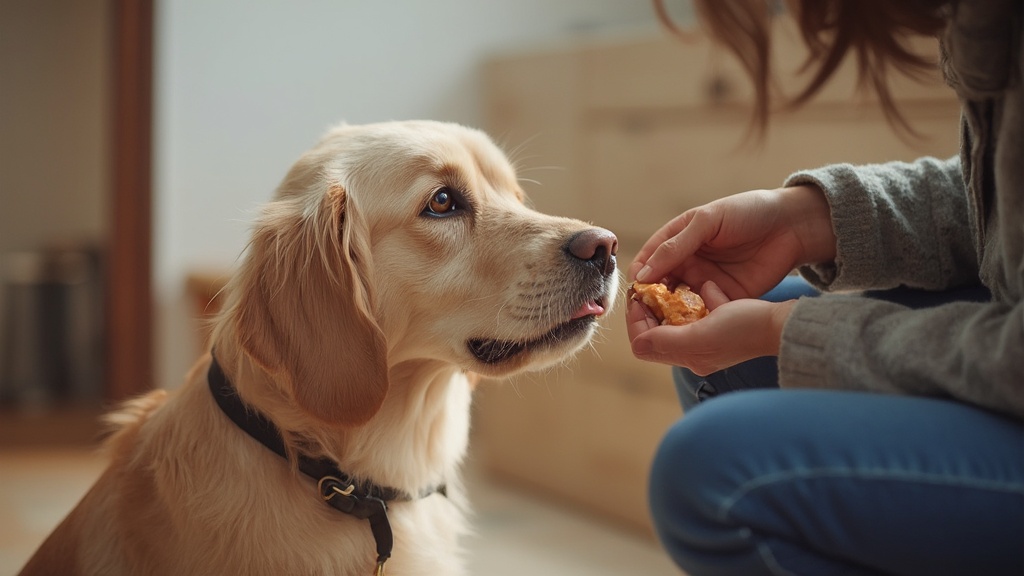
2. Practice in the Backyard
Moving training sessions to your backyard introduces an element of complexity. Unlike the indoors, it presents a more expansive space with new sounds and scents. However, it’s still less overwhelming in comparison to public spaces. Training in the backyard helps transition and strengthen the recall behavior developed indoors.
Backyard Training Benefits:
- More Space: By working in a larger area, your dog can practice responding to the recall command from greater distances, which sharpens their ability to come when called.
- Moderate Distractions: Exposure to outdoor stimuli in your backyard prepares them for the real world, facilitating better focus.
- Consistency in Command: Maintain the consistency of using the same command and rewarding process as indoors to fortify learned behaviors.
Backyard Training Tips:
- Choose Right Timing: Select times when the environment is calm, thus minimizing distractions.
- Familiarize Your Dog: Allow your dog to explore and get comfortable with the area before commencing training.
- Leash for Safety: Use a long leash to ensure safety while providing some level of independence to explore.
Example of Progress:
Successful backyard sessions can often result in dogs progressing from requiring frequent treats to happily responding to praise and occasional rewards. This advancement is a testament to their growing adaptability and your commitment to training.
3. Gradual Introduction to Parks
Once your dog reliably comes to you in the backyard, it’s time to shift training to public locations such as parks. This step is critical as it involves dealing with significantly more distractions, such as other dogs and people, which will test and improve your dog’s focus and reliability in response to the recall command.
Park Training Precautions:
- Scout Locations: Identify parks with designated off-leash areas or areas that aren’t too crowded to reduce overwhelming stimuli.
- Leash Control: Utilize a long leash to maintain both control and safety while allowing them freedom to enjoy the surroundings.
- Recall During Play: Practice calling your dog amidst playful distractions, reinforcing your command even when they are excited.
Handling the Park Environment:
Parks provide invaluable learning moments due to increased distractions. Mastering recall in such settings confirms your dog’s attentiveness amidst varied stimuli and strengthens their learned behavior’s robustness.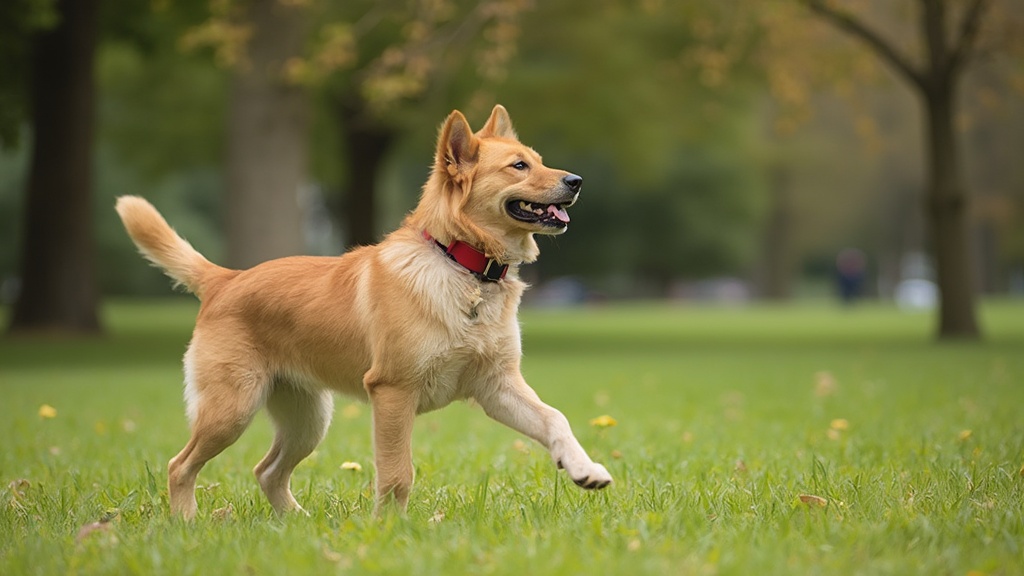
4. Incorporating Games
Introducing games into your training routine fosters an enjoyable atmosphere, which enhances your dog’s eagerness to respond to recall commands. Games not only reinforce training but also serve as engaging exercises that improve your pet’s responsiveness, making it fun and interactive.
Game Ideas:
- Hide and Seek: Play by hiding and then calling your dog to locate you. This game sharpens their hearing and enhances response time to your voice.
- Fetch with Recall: Call them back mid-fetch rather than retrieving the object, instilling the importance of listening over the excitement of fetching.
- Tag Team Recall: If you live with others, take turns calling your dog, turning the exercise into a fun activity that bolsters their recall ability.
Benefits of Games:
Through games, your dog will start associating recall commands with excitement and positive outcomes, creating a sense of anticipation that motivates them to respond promptly during real-world scenarios.
5. Use of Clicker for Reinforcement
Clicker training is a method involving precision and clarity. It’s built on the principle of associating the distinct clicker sound with positive rewards, thereby enhancing your dog’s learning experience. This structured approach can accelerate training and improve the recall response.
How to Use a Clicker:
- Conditioning the Sound: Click and reward simultaneously to forge a connection between the sound and a positive outcome.
- Incorporate in Training: Once conditioned, use the clicker during recall exercises to mark the exact moment your dog moves towards you.
- Gradual Training: Increase complexity by incorporating the clicker in various contexts and environments, enhancing adaptability.
Clicker Training Advantages:
Utilizing a clicker provides clear and immediate communication to your dog, fostering quick response times as they learn to associate the sound with a reward, leading to more precise and effective training outcomes.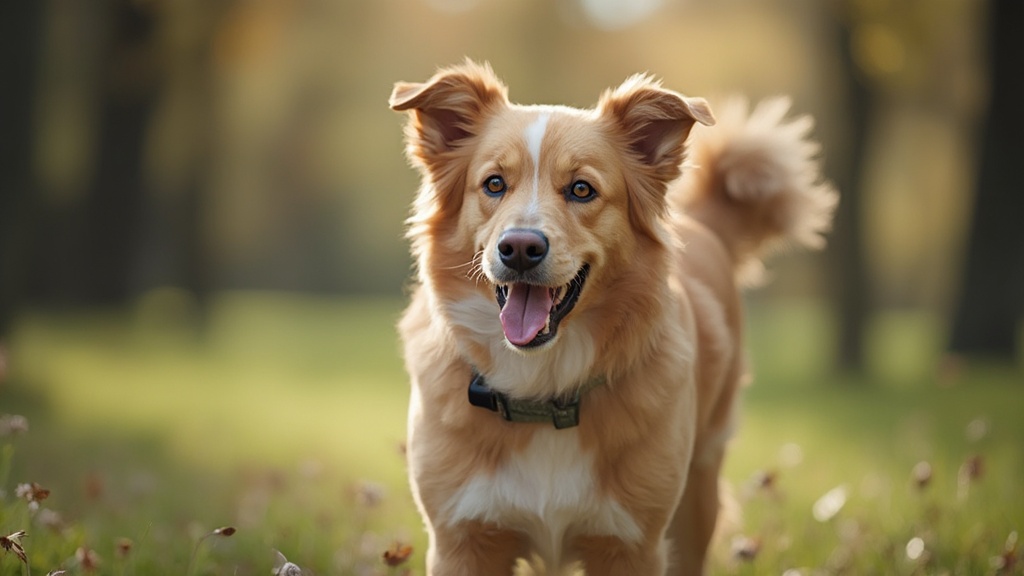
6. Maintaining Consistency and Patience
Above all, consistent practice and unwavering patience are pivotal elements in ensuring your dog masters coming when called. By maintaining regular training sessions grounded in positivity, you’re fostering an environment of learning and respect that nurtures a well-behaved pet.
Keys to Consistency:
- Regular Sessions: Keep sessions engaging and concise to retain your dog’s attention and prevent training fatigue.
- Positive Reinforcement: Constantly employ rewards and praise as positive reinforcement tools.
- Patience Pays Off: Be patient and recognize that learning takes time. Even incremental progress is valuable, ensuring motivation is sustained for both you and your dog.
Long-Term Benefits:
Maintaining consistency and patience in training solidifies your relationship, ensuring that your dog remains trustworthy and responsive in diverse conditions. A well-trained dog guarantees a safer environment for both you and them, fostering a harmonious companionship built on trust and respect.