Tequila With No Preservatives: Is It Actually Better For You?
Tequila without preservatives has captured the attention of enthusiasts. Many wonder if skipping preservatives makes tequila healthier or affects its flavor profile. This article digs into the topic and provides insights into the production and consumption of preservative-free tequila in a natural and authentic sense.
Health Benefits and Natural Composition
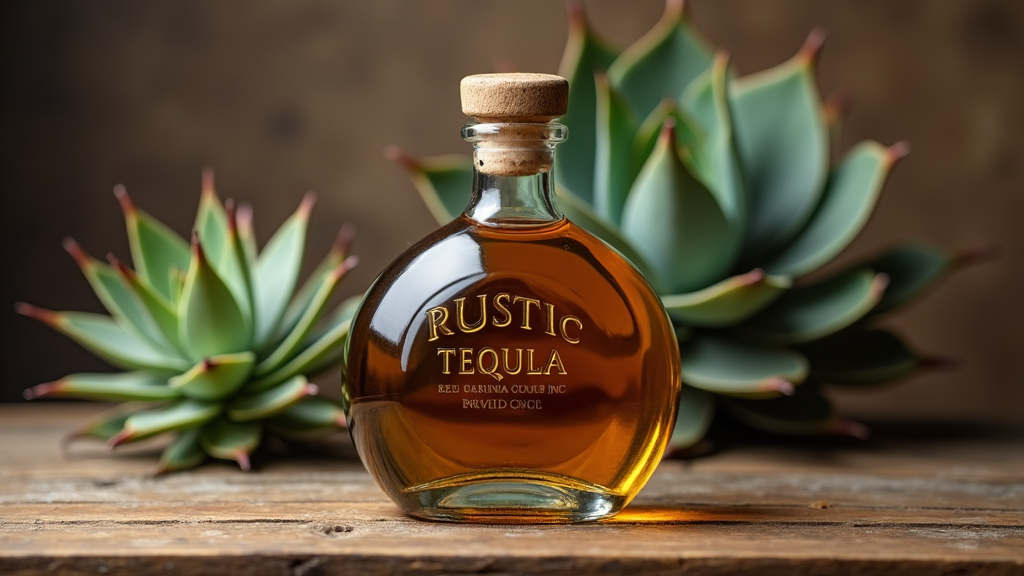
The idea behind tequila without preservatives is that a more natural product might be better for you. Preservatives are usually added to extend shelf-life, but many consumers prefer products that emphasize natural production methods and fewer artificial interventions. The absence of preservatives may hint at minimal processing and a strong focus on traditional production techniques that respect the natural integrity of the agave plant.
There is ongoing discussion about how these methods affect both health and taste. Many drinkers report that preservative-free tequila has a cleaner, richer flavor profile that truly captures the essence of its ingredients. Though robust scientific evidence is limited, many enthusiasts feel that a product made with natural ingredients aligns with a healthier lifestyle. They argue that fewer additives result in a drink that not only tastes truer to its origin but also steers clear of the potential downsides associated with chemical preservatives.
This belief is supported by a growing movement favoring organic and all-in-one natural products across the culinary and beverage world. Consumers are increasingly reading labels and researching production methods to understand what they’re consuming. In this way, preservative-free tequila is much more than just a drink—it becomes part of a broader lifestyle choice that values authenticity and natural health benefits.
Furthermore, some experts suggest that the natural composition of tequila, made from agave and artisanal production methodologies, might offer subtle benefits. Even if these benefits have yet to be rigorously quantified, the perception of natural purity can be very important to those who value organic lifestyles and traditional methods.
Understanding Tequila Production Without Preservatives
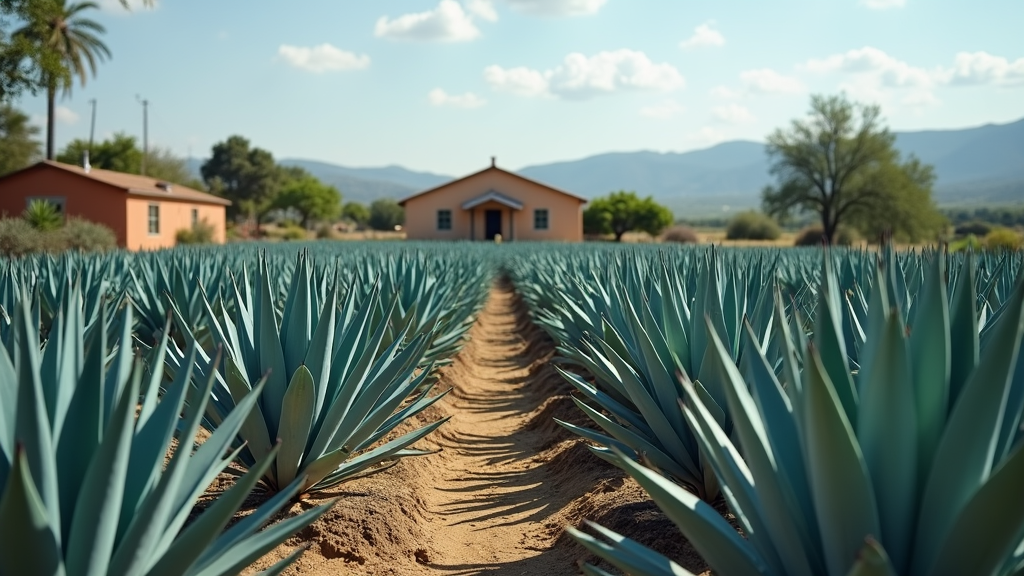
Traditional tequila production begins with the heart of the blue agave plant, which is nurtured and harvested at just the right time. Once the agave is ready, it is slowly cooked to break down its complex sugars, which are later fermented and distilled into tequila. Many distilleries decide to avoid chemical preservatives in order to let the natural flavors and agave sugars shine through. Instead of artificial additives, these producers stick to age-old methods that have been refined over generations.
The production process typically involves several meticulous stages. It begins with careful harvesting, where the best agave plants are chosen. The cooking process is usually done in large ovens or autoclaves designed to bring out the naturally sweet and earthy flavors of the agave. After the cooking stage, the agave fibers are crushed and the extracted juices are then fermented. During fermentation, natural yeasts play an important role, setting the stage for the tequila’s final character. The final step is distillation, which can be carried out in pot stills or column stills, depending on the traditional practices of the distillery.
Without preservatives to keep the product stable, producers must rely heavily on proper storage and bottling methods. Many distilleries use cool storage environments and carefully timed bottling processes to maintain quality and prevent spoilage. This reliance on time-honored techniques emphasizes the craftsmanship and dedication that goes into every bottle of tequila. The care taken during each step is evident not only in the taste but also in the texture and aroma of the final product.
In many ways, the decision to produce preservative-free tequila is a declaration of pride. Producers are putting their trust in traditional methods and natural processes, confident in the integrity of the ingredients and techniques passed down through generations. This approach requires both skill and diligence, ensuring that every step—from the farm to the glass—is executed with flawless precision.
Steps to Choose a Quality Tequila
For those curious about trying preservative-free tequila, a few steps can help in selecting the right bottle. It all starts with educating yourself about the production process. Look for labels that clearly state the production methods and ingredients used. Transparency in labeling can guide you toward a product that aligns with natural processing and traditional craftsmanship.
Here are some key steps to consider when choosing a quality tequila:
- Examine the Label: Look for clear information about production processes, natural ingredients, and any certifications that might indicate adherence to traditional methods.
- Research the Distillery: A distillery with decades of history often follows time-honored methods. Their commitment to avoiding artificial additives is usually a point of pride and speaks volumes about their product quality.
- Taste Testing: Arrange or attend tastings whenever possible. A controlled tasting event can help you identify distinct flavor profiles and determine which tequila meets your standard for natural taste. The tasting experience is an essential part of understanding the nuances between various types of tequila.
- Read Reviews: Fellow enthusiasts and experts often share their own experiences. Reading a variety of opinions can offer perspective on flavor consistency, natural production quality, and overall satisfaction.
- Ask Questions: Do not hesitate to ask the producers or knowledgeable sellers about their production methods. Understanding the behind-the-scenes efforts to produce preservative-free tequila can empower you to make a more informed decision.
Taking these steps not only improves the likelihood of choosing a product that meets your taste expectations but also contributes to a broader awareness of natural and sustainable production methods. This engagement with the sourcing and production process can deepen your appreciation for the rich tradition behind every sip.
Common Myths and Challenges
Many myths surround preservative-free tequila. One common belief is that without preservatives, the flavor may become inconsistent over time. Skeptics worry that natural methods might lead to batch differences which could confuse consumers accustomed to the uniformity of mass-produced beverages. However, experienced producers have honed their skills so that quality remains consistent from one batch to the next.
Another myth is that the absence of preservatives equates to a shorter shelf-life or an increased risk of spoilage. In reality, many distilleries use rigorous testing and advanced storage techniques that keep the tequila fresh for longer periods. Conditions such as temperature and exposure to light play a conclusive role in ensuring that every bottle retains its character until it reaches the consumer.
Additional challenges include the variability of natural fermentation processes. Since the process relies heavily on natural yeasts and environmental conditions, slight changes can affect flavor. Yet, many traditional producers view these variations not as flaws but as unique identifiers of a handcrafted product. This perspective embraces the idea that every bottle not only tells a story of tradition but also captures a moment in time that cannot be exactly reproduced.
Consumers sometimes express concerns about regulatory standards and labeling practices. With natural production methods not always governed by uniform standards, it might seem challenging to accurately compare products. Clear labeling and certification from recognized quality organizations, however, help assure consumers about the product’s authenticity and adherence to natural production practices.
Despite these myths and challenges, the charm of preservative-free tequila lies in its celebration of tradition and natural production methods. By relying on age-old techniques, producers ensure that what reaches your glass is a genuine reflection of quality and heritage.
Advanced Tips for Enjoying Preservative-Free Tequila
If you enjoy tequila and want to appreciate the nuances of a preservative-free product, here are a few refined tips to help you fully immerse yourself in the experience:
Explore Varieties: Traditional, reposado, and añejo tequilas each offer a distinct adventure in flavor. Each variant has its own story, with reposado offering a mellow, wood-infused character and añejo bringing forward deeper, more complex profiles. Take your time to sample these different types to understand which best suits your palate.
Pair with Food: Natural tequila can complement a wide range of dishes exceptionally well. Try pairing it with citrus-infused dishes, spicy foods, or even rich desserts to give a boost to your drinking experience. The interplay between food and drink can elevate your meal to a new level of enjoyment, making each sip and bite a harmonious celebration of flavor.
Proper Serving Techniques: The way tequila is served can play a significant role in the overall tasting experience. Use a quality glass that is designed to capture and concentrate the aromas so that your nose can fully pick up on the intricate layers of flavor. A well-designed glass can take up a notch the tasting experience by directing the aromas perfectly to your nose and enhancing your overall sensory engagement.
Savor the Moment: Rather than consuming tequila quickly, take the time to appreciate its complexity. Observe the color, swirl it gently, and note the evolving fragrances as it meets the air. Such mindful tasting can transform a simple drink into a moment of reflection and pleasure.
Join Tasting Events or Tours: Many distilleries offer tours and guided tasting sessions that delve into the history and production methods of their tequila. Engaging in these experiences can offer deeper insights into the art of tequila-making and cultivate a more profound respect for this agave-based spirit.
Whether you are a casual drinker or a seasoned aficionado, these tips encourage you to get involved in the world of tequila in a hands-on way. By experiencing each aspect—from production to the final taste—you can truly appreciate the craftsmanship behind preservative-free tequila.
Comparison of Tequila With and Without Preservatives
Comparing tequila produced with preservatives to its preservative-free counterpart reveals several interesting differences. Tequila made with preservatives often boasts an extended shelf-life and enhanced uniformity, ensuring that every bottle tastes nearly identical regardless of when it is consumed. However, this method may sometimes mask some of the more subtle natural flavors inherent to the agave plant.
In contrast, preservative-free tequila highlights a flavor profile that many ancestors would recognize as genuine. Although the taste across batches might be more variable, this variability is celebrated by purists as a testament to its natural origins. The absence of artificial additives allows the authentic character of the agave to come forward, giving you a drinking experience that feels connected to the rich history of tequila-making.
This comparison underscores the main trade-off: while preservatives can help in maintaining consistency and prolonging shelf-life, they can also dilute some of the natural nuances that make a handcrafted tequila unique. Consumers who favor authenticity over uniformity often prefer preservative-free versions, viewing them as more than just a beverage—they are a tribute to tradition and natural craftsmanship.
Frequently Asked Questions
Question: Is tequila without preservatives healthier?
Answer: Even though it is seen as a more natural product, clear scientific evidence supporting significant health benefits is still limited. Many consumers, however, favor preservative-free tequila for its unadulterated flavor and traditional production processes.
Question: Does the lack of preservatives affect the taste?
Answer: Numerous drinkers have indicated that preservative-free tequila offers a richer, fuller taste that truly represents traditional agave processing. The natural production methods bring forward complex flavor profiles that many find appealing.
Question: How do I know if a tequila is preservative-free?
Answer: Look for detailed labels that clearly state natural production methods. Information provided by reputable distilleries and certification from quality organizations can offer assurance of the product’s authenticity.
Is Preservative-Free Tequila Worth It?
Preservative-free tequila offers a special appeal for those who value time-tested production methods and a deep connection to tradition. Whether you appreciate it for its potential health advantages or for its robust, unadulterated taste, this style of tequila continues to gain popularity among both new drinkers and aficionados alike.
The natural approach appeals especially to individuals seeking a more genuine connection with what they are drinking. By eliminating synthetic additives, producers are able to produce a drink that speaks to the art of tequila-making, steeped in history and bursting with authentic flavor. For many, every sip becomes not only a taste experience but a journey back to the roots of traditional craftsmanship.
Moreover, the practice of producing preservative-free tequila is evolving. As more distilleries embrace sustainable practices, the overall quality and range of these tequilas continue to improve. Innovations in aging, fermentation, and storage, while still grounded in tradition, now incorporate modern technology to ensure that every bottle delivers on both taste and safety. This next stage in tequila production is a blend of heritage and modern ingenuity, making each sip a celebration of both the past and the future.
Wrapping Up
Tequila without preservatives presents a unique option in a market flooded with mass-produced, artificial alternatives. The focus on natural ingredients and traditional production methods provides consumers with a drink that is both genuine and full of character. By pulling back the curtain on the production process and emphasizing authenticity, producers invite you to appreciate a beverage that truly stands out.
Taking the time to understand the production process, reading labels carefully, and even participating in tasting events can give you a real feel for the passion involved in crafting preservative-free tequila. Give these natural options a try, and you might stumble upon a new favorite that not only satisfies your palate but also resonates with your commitment to a healthier, more organic lifestyle.
In today’s fast-paced world, where convenience often trumps quality, choosing tequila that is made without preservatives represents a deliberate decision to support artisanal methods and sustainable practices. The richer, more dynamic flavors of preservative-free tequila are proof that sometimes, taking the natural route can truly mix it up, offering a taste experience that feels both timeless and refreshingly innovative.
If you have yet to explore the world of preservative-free tequila in its full depth, now is the perfect time to jumpstart your adventure. With every sip, you not only enjoy a well-crafted drink but also immerse yourself in a tradition that spans decades. The story of tequila is as layered and multifaceted as its taste, inviting you to mull over the small details that contribute to its overall charm. Bottom line, opting for tequila without preservatives can turn an ordinary drink into an extraordinary ritual of discovery, celebration, and appreciation of natural quality.
As you navigate through the diverse offerings available, remember that the journey itself is part of the enjoyment. From the initial selection process to the final glass poured at home, each moment is a chance to connect with a legacy of craftsmanship that has been celebrated for generations. So, take your time, ask questions, and let your taste buds lead you to a deeper understanding of what makes preservative-free tequila not only very important in the realm of spirits but also a reflection of an enduring cultural heritage.