The Environmental Impact Of Solar Panels
Solar panels have become a beacon of hope in our quest to reduce carbon emissions and combat climate change. But understanding the environmental impact of their entire lifecycle, starting from the manufacturing process, is key to grasping their true sustainability.
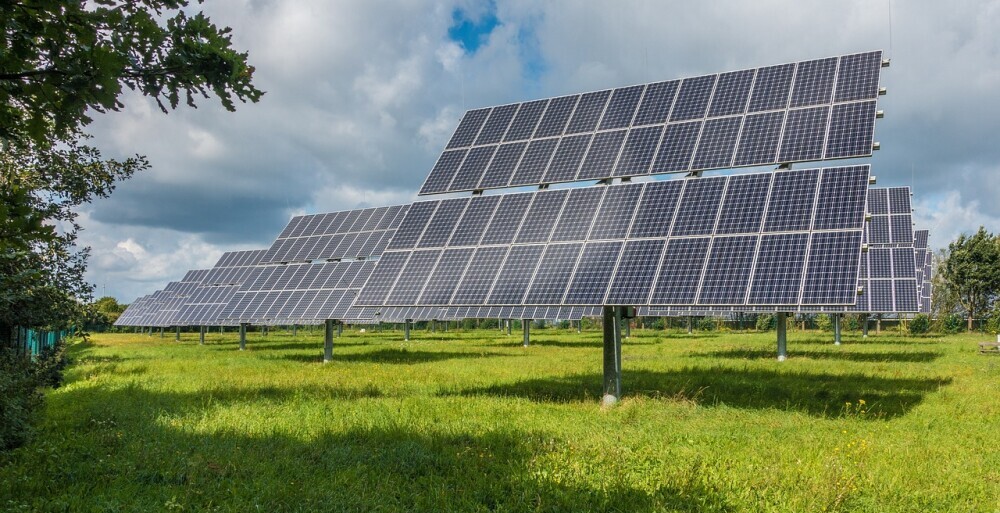
Raw materials extraction is the first step. The most common materials used in solar panels include silicon, silver, aluminum, and various chemicals. Extracting and processing these materials consume significant energy and can cause environmental degradation. For example, silicon, a principal component, requires mining of quartz and purification, which involves high-temperature processes often powered by fossil fuels.
Energy consumption during manufacturing is another vital piece of the puzzle. The production of solar panels is energy-intensive. High temperatures needed for silicon purification and the fabrication of solar cells demand large energy quantities, affecting the overall carbon footprint. While solar energy itself is green, the energy used to make the panels can sometimes come from non-renewable sources, perpetuating a cycle of emissions.
Supply chain logistics add another layer of complexity. Transporting raw materials to production sites and the finished panels to installation sites involves a network that spans the globe. Every shipping container, truck journey, and flight contributes to greenhouse gas emissions, underscoring the importance of localizing production to minimize this impact.
Despite these challenges, continuous innovations aim to reduce the carbon footprint of solar panel manufacturing. Companies are investing in cleaner technologies, renewable energy sources for production, and more efficient logistics to create a greener supply chain. For instance, some manufacturers have started sourcing silicon from more sustainable mines and using solar or wind energy to power their facilities.
Understanding these aspects can provide a holistic view of the environmental impact of solar panels and guide us toward more sustainable practices. When we consider the lifecycle from extraction to manufacturing, we can identify areas for improvement and push for greener solutions in the renewable energy sector.
The Lifespan and Recycling of Solar Panels
The journey of a solar panel extends well beyond its installation. Understanding its lifespan and the impact of its end-of-life stage is essential for truly gauging its environmental footprint.
Solar panels typically have an average lifespan of 25 to 30 years. During this period, they generate clean energy, reducing reliance on fossil fuels and lowering greenhouse gas emissions. Yet, what happens when they reach the end of their operational life? Ensuring they don’t end up in landfills is critical for maintaining their eco-friendly promise.
Recycling challenges pose significant hurdles. The process of recycling solar panels is complex and not yet fully streamlined. Panels consist of various materials, including glass, silicon, and metals, which require specialized facilities and techniques to dismantle and repurpose. The lack of widespread recycling infrastructure can lead to improper disposal, exacerbating environmental hazards.
Improper disposal can release toxic substances into the environment. While solar panels are generally safe during their operational life, they contain small amounts of hazardous materials like cadmium and lead. If not handled correctly at the end of their life, these substances can leach into soil and water, posing health risks to humans and wildlife.
Sustainable recycling methods are evolving, offering hope for the future. Advances in recycling technology aim to recover up to 95% of the materials in a solar panel, drastically reducing waste. Some innovative approaches include chemical processes to extract silicon and metals or mechanical methods to separate and recycle glass and photovoltaic cells. These methods ensure that valuable resources are reused, maintaining the green lifecycle of solar technology.
Considering the full lifespan and the importance of recycling, it’s clear that innovation and investment in end-of-life management are crucial. By supporting or advocating for better recycling infrastructure and technologies, we can ensure that solar panels remain an eco-friendly solution for renewable energy.
Comparative Environmental Impact: Solar Panels vs. Other Energy Sources
Solar panels shine brightest when compared to other energy sources regarding environmental impact. But understanding how they stack up against both fossil fuels and other renewables helps us appreciate their role in a greener future.
When placed side by side with fossil fuels, solar energy is clearly more environmentally friendly. Fossil fuel extraction and burning release substantial greenhouse gases, contributing to air pollution, climate change, and human health issues. Solar panels, on the other hand, generate no emissions once installed, offering a cleaner alternative. The energy used during their manufacturing is offset over time by the emissions saved during their 25 to 30 years of operation.
Compared to other renewable energy sources, solar panels hold their own but come with different environmental considerations. Wind energy, for instance, also has a low carbon footprint post-installation, but it requires large tracts of land and can impact bird and bat populations. Hydropower offers consistent energy but often leads to significant landscape changes and affects aquatic ecosystems. Solar energy’s impact on wildlife is minimal by comparison, and rooftop installations virtually eliminate land use concerns.
Land use and habitat disruption are crucial factors in evaluating energy sources. Utility-scale solar farms do require significant space, which can sometimes lead to habitat loss or fragmentation. However, thoughtful planning, like using already disturbed lands or co-locating solar panels with agriculture (agrivoltaics), can mitigate these issues and maximize land use efficiency.
Long-term environmental benefits of solar energy are substantial. As technology advances, the efficiency and sustainability of solar panels continue to improve. Coupled with the development of battery storage systems and smart grid solutions, solar energy can become even more integral to a sustainable energy mix. Continued investment and support for renewable technologies, including solar, pave the way for a cleaner, more resilient energy future.